sweets
15
Jun, 2026

The Proven Platter – Afghanistan, August 2026

This month we spotlight “One Day’s Wages” and their work to improve maternal health outcomes in Afghanistan. Given the focus on safe childbirth for mother and child, it seemed fitting to feature a celebratory dish, one that screams “joy.” Sheer Pera (or Sheer Pira) is an Afghani dessert that is often part of the meal during celebratory occasions. A milk fudge with flavors that are quintessentially Afghani, it has notes of rose and cardamom and incorporates dried nuts. For how decadent and delicious it tastes, Sheer Pera is remarkably simple to make. The cardamom powder, rose water (or rose essence), and pistachios are not optional ingredients as they give the fudge the flavor that makes it Afghani fudge. In addition to pistachios, one could add almonds or walnuts as well. With an under 30-minute cook time, this fudge comes together easily and is incredibly delicious. Serve with hot chai for teatime or enjoy as dessert.

Sheer Pera/Pira
Servings: 24 pieces
Cook time: 30 minutes
Cooling/setting time: 1 – 2 hours

Ingredients:
2 cups water
2 cups Sugar
4 cups milk powder
1 teaspoon ground cardamom powder
1 teaspoon rose essence
½ cup coarsely chopped pistachios
½ teaspoon salt
Dried rose petals, to garnish

Equipment:
Stew pot
Parchment paper
9×9 cake pan

Directions:
Grease the cake pan and line it with parchment. Set aside.

Add water and sugar to the pot and heat on medium. Stir to dissolve the sugar. Once the sugar is completely dissolved, increase the heat. When the liquid comes to a boil, reduce to simmer and allow the syrup to reduce – this should take 15 – 20 minutes.

Add the rose essence, cardamom powder, and salt. When a thick, syrup-like consistency is reached, slowly add the milk powder while stirring continuously. Adding slowly and stirring vigorously is key to prevent clumps from forming.

Fold in the pistachios, reserving a small amount to garnish. Pour the mixture into the parchment lined pan. Garnish with rose petals and the reserved pistachios.

Allow it to cool and set for about an hour. Score into shapes and then invert the pan over a plate/cutting board and peel off the parchment. Serve with hot chai or as dessert.


Recipe and photo credit: Vinola V. Munyon

12
Aug, 2024

The Proven Platter – Kenya, September 2024

It’s a double month, so you have more delicious food options for your chapter meeting or to add to your menu at home. But we’re pulling from the archives for our second batch of recipe delights. We repeat a recently featured country and one for which we have a delightful collection of recipes – enough to make a full meal. Details

6
Apr, 2022

The Proven Platter—Malawi, May 2022

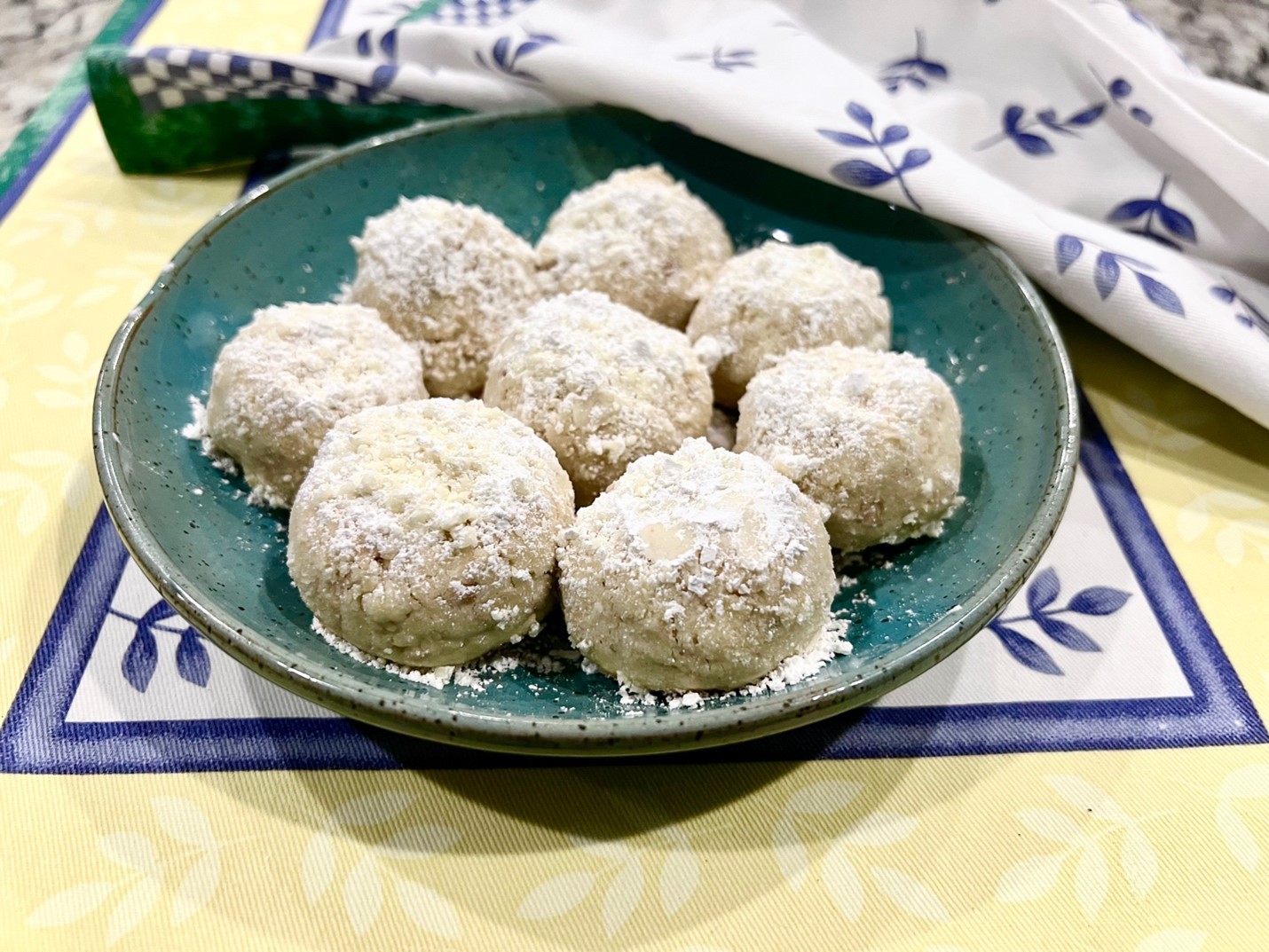
Located in Southeastern Africa, Malawi is known for the warmth and friendliness of her people. Hence, the nickname, the “Warm Heart of Africa.” The cuisine of this country skews traditional African and is dominated by ingredients that are products of two of its major industries: agriculture and fishing. Groundnuts (peanuts) are the most important legume crop in Malawi in volume produced and in the amount of area devoted to their cultivation. The crop also brings in significant revenue. Our dish for the month, in honor of Malawi, is Mtedza, a delightful, easy to make groundnut (peanut) cookie that utilizes ingredients found in most pantries. Mtedza will melt in your mouth, and if one doesn’t pay attention, this recipe that makes 14 cookies might end up serving just two! Details
13
Apr, 2021

The Proven Platter—Uganda, May 2021

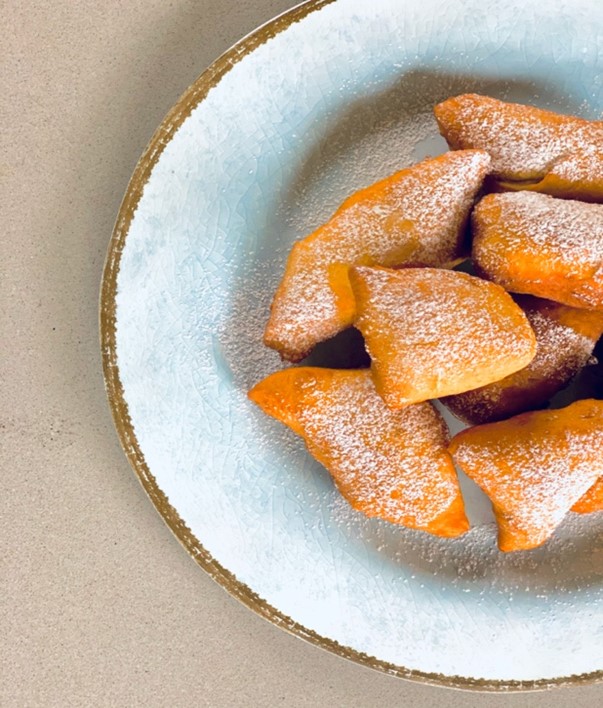
The food of Uganda melds the food of its forefathers with the food of its colonizers and immigrants to make for an interesting mash-up. Mandazi, the Ugandan doughnut, is an excellent example of this. A popular snack that sometimes stands in for breakfast, this puffy, soft, pillowy, fried dough is nothing like the doughnuts those in the USA are familiar with. They are mildly sweet and never glazed. The flavors of Mandazi have a whiff of Indian and Arabic influences with the addition of cardamom and coconut. Freshly ground cardamom is the key to get that fragrant taste of the spice, but feel free to use the pre-ground variety if that is what is readily available. Some recipes use coconut milk while others use whole milk while still others use a combination of evaporated milk and oil. I’m using whole milk, but I imagine coconut milk will bring the coconut flavor to the forefront. This recipe makes enough for a crowd (about 20 doughnuts) but you might discover that given how tasty and light they feel, it might just be enough for a “crowd” of two! Details

10
Jul, 2020

The Proven Platter – Lebanon, August 2020

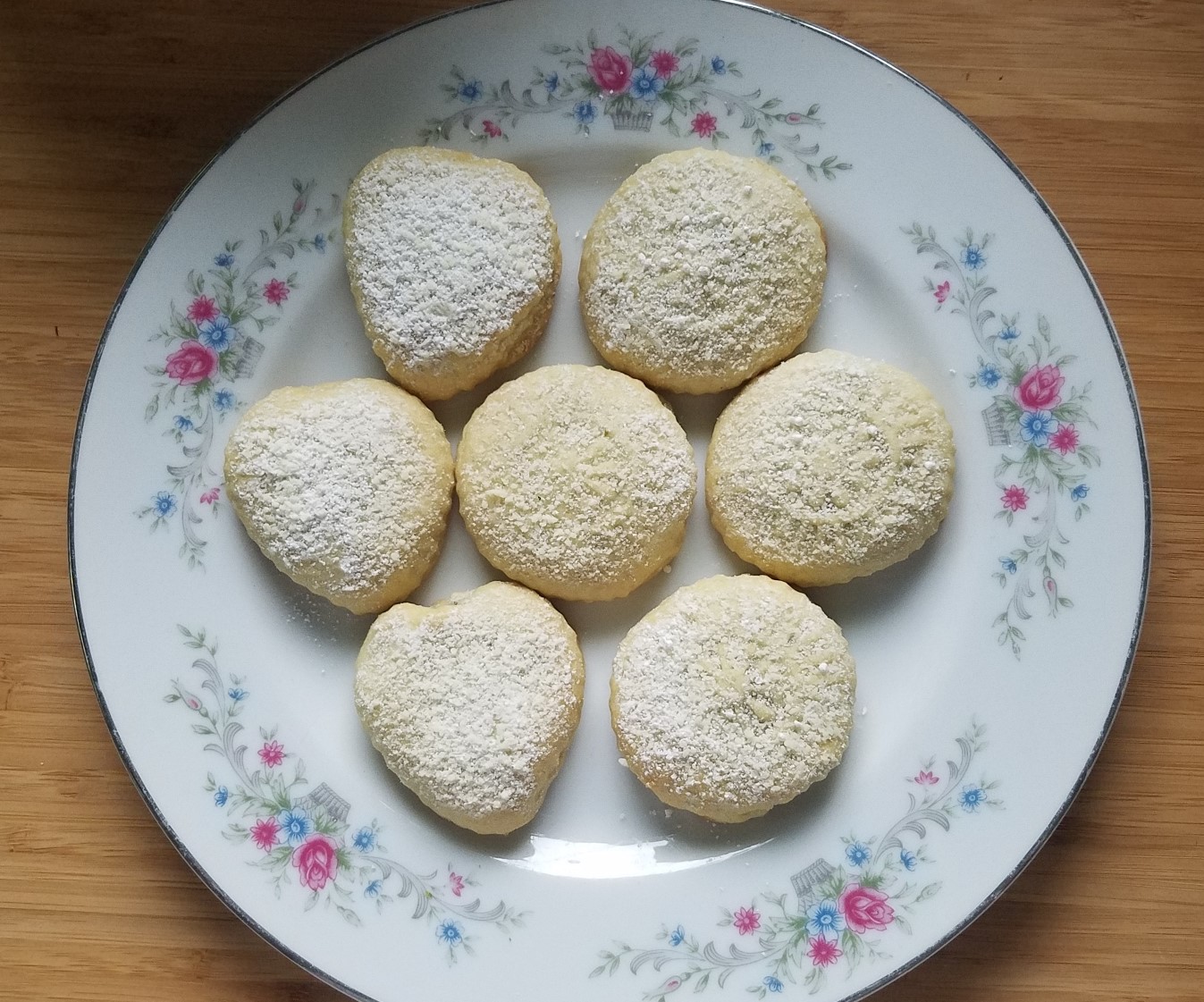
This month’s featured recipe is a delicious filled pastry from Lebanon called Maamoul. These molded cookies feature a rose and orange blossom water flavored dough filled with date and nut blends. Each cookie is formed by hand and pressed into a mold which is then wacked on a table or counter to release the cookie which now has a beautiful design imprinted from the mold. A Maamoul mold has indentations of various shapes, size, and design. Each design signifies a different filling. Details