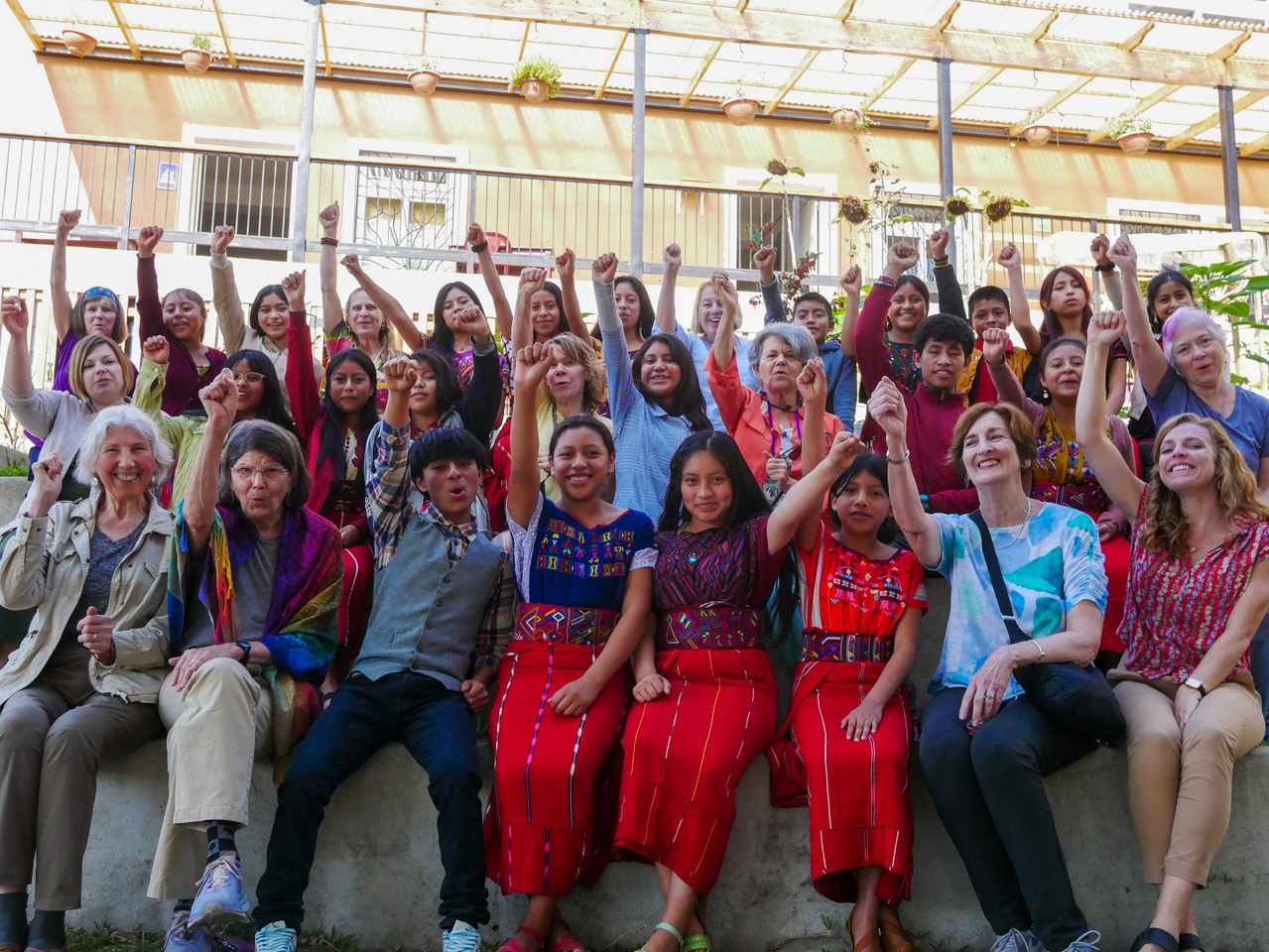
I am Dining for Women, Hear me ROAR
I am a mother, father, grandmother, grandfather, wife, husband, partner, spouse, aunt, uncle, daughter, son, BFF
I am a she, he, and they
I am from the global north, I am from the global south, I am straight, I am queer, with skin colors in every hue
I am employed, unemployed, underemployed, retired, volunteer, student, scholar
I am a farmer and livestock owner, an educator, a professional, a small business entrepreneur
I am a landowner, landless, I am a nomad
I am a community health worker, a doctor, a nurse, a pharmacist
I am on the frontlines, a firefighter, an EMT, the law, and a service provider
I need water, food security, and a roof over my head
I need family and community
I want equal opportunity, I want fairness, I want equal access
I want an education, I want healthcare, I want a future
I want music, dance, and opportunities to create
I want mother earth to sing with joy, with her abundant flora and fauna
I want justice, I want equality, I want peace
I want good governance, responsibility, and accountability
I will give of my time, my compassion, and my resources
I will give of my talent and hard work
I will speak, I will speak up
I will communicate, discuss, and share
I will join the other chorus of voices
I will never stop trying
I am willing to go where others have not gone before
I am Dining for Women, Hear me ROAR

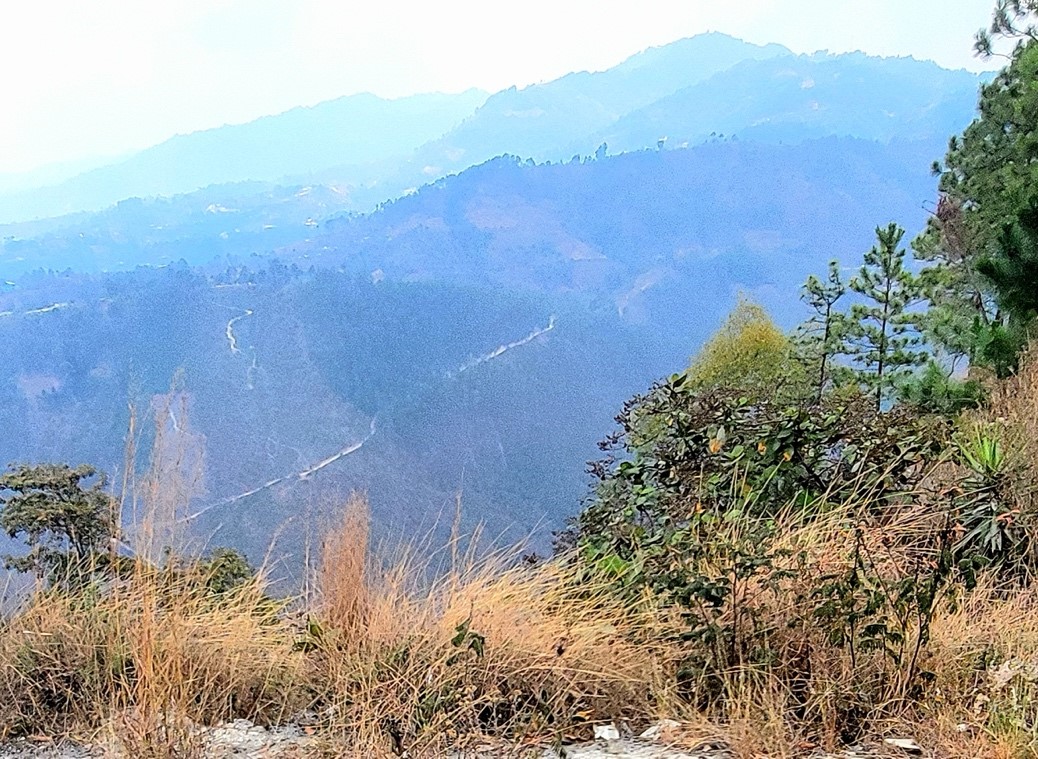


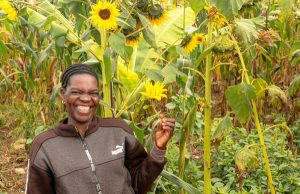 to extend and strengthen land rights for women experiencing poverty. Stronger rights to land have the power to reduce poverty and conflict, increase economic activity, empower women, strengthen food security, and improve environmental stewardship.